
Purchasing equipment is an important investment for any business. Whether you’re replacing aging machinery, expanding operations, or opening a new location, the right equipment can improve efficiency and support long-term growth.
But buying equipment outright isn’t always the best use of working capital.
Equipment loans allow businesses to acquire essential machinery, vehicles, technology, and other commercial equipment while spreading the purchase cost over time.
Before choosing an equipment loan, it’s worth looking beyond the monthly payment. Financing terms, upfront costs, equipment eligibility, and repayment flexibility can all affect the overall investment.
Centra Funding offers business equipment financing solutions from $10,000 to $10 million for qualified businesses nationwide.
Key Takeaway: When comparing equipment loans, businesses should consider the total financing cost, payment terms, equipment eligibility, lender experience, and how the payments fit into their cash flow. The lowest monthly payment isn’t always the most cost-effective option.
1. Understand Your Equipment Financing Needs
Before comparing equipment loans, start by identifying what equipment your business needs and how it will contribute to operations.
Are you replacing equipment that’s no longer reliable? Increasing production capacity? Adding vehicles to meet customer demand?
Consider the full cost of the purchase, including delivery, installation, and setup expenses. Some related expenses may be eligible for financing, depending on the program.
Common equipment purchases include:
- Construction equipment, including excavators, loaders, and heavy machinery
- Manufacturing equipment, including CNC machines and production systems
- Restaurant equipment, including commercial ovens, refrigeration, and kitchen equipment
- Commercial trucks, trailers, and transportation equipment
- Medical, dental, and diagnostic equipment
- Automotive equipment, including vehicle lifts and diagnostic tools
- Technology, computers, and business infrastructure
- Agricultural and material handling equipment
Knowing the full scope of your purchase can help you determine how much financing you need and which financing options may be appropriate.
2. Compare Equipment Loan Rates and Total Costs
When researching equipment loans, interest rates are often one of the first things businesses consider. However, rates alone don’t tell the full story.
The total cost of an equipment loan depends on several factors, including the financing amount, repayment term, payment structure, and applicable fees.
Two financing offers with similar monthly payments may have different overall costs.
Before accepting an equipment loan, consider asking:
- What is the total amount payable over the financing term?
- Are there origination, documentation, or other fees?
- Is a down payment required?
- Are there penalties or restrictions for early repayment?
- Is the interest rate fixed or variable?
- Are there any end-of-term obligations?
Comparing the complete financing terms can provide a clearer understanding of the actual cost of purchasing equipment.
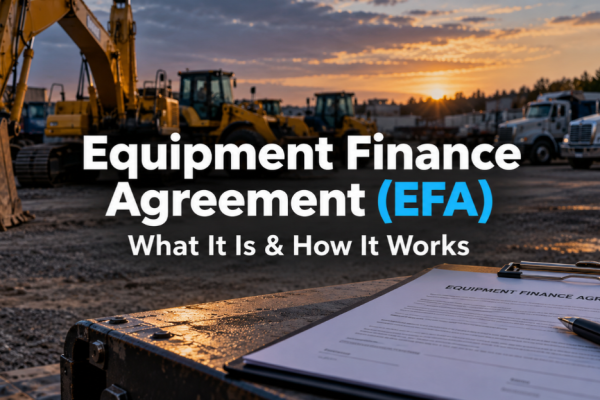
Businesses should also review whether an equipment loan, lease, or equipment finance agreement (EFA) is the most appropriate structure for their needs.
3. Choose an Equipment Loan Term That Fits Your Cash Flow
Equipment loan repayment terms vary depending on the lender, financing program, equipment type, and business qualifications.
Shorter financing terms generally result in higher monthly payments but may reduce the total financing cost. Longer terms may make monthly payments more manageable, although the overall cost can be higher.
The right repayment structure depends on the equipment’s expected useful life, your company’s operating budget, and anticipated cash flow.
Consider Flexible Payment Options
Some equipment financing programs offer alternative payment structures designed to accommodate different business needs.
Depending on the program, options may include:
- Traditional scheduled monthly payments
- Deferred payment programs
- Seasonal payment structures
- Other customized payment arrangements
For businesses with seasonal revenue fluctuations or significant upfront equipment expenses, discussing available payment options may help identify a more suitable structure.
Before applying, use Centra Funding’s equipment financing calculator to estimate potential monthly payments based on different financing amounts and terms.
4. Consider New vs. Used Equipment Loans
Purchasing brand-new equipment isn’t always necessary. Used equipment can provide businesses with a more affordable way to expand operations or replace aging machinery.
Many equipment financing companies offer financing for both new and used commercial equipment, subject to eligibility requirements.
However, financing used equipment may involve additional considerations.
Factors that equipment lenders may evaluate include:
- Equipment age and condition
- Current market value
- Expected remaining useful life
- Purchase price and seller information
- Maintenance and service history
- Business and applicant qualifications
Although used equipment may have a lower purchase price, businesses should also consider maintenance costs, reliability, and expected replacement timelines.
For larger equipment purchases, explore our guide to heavy equipment financing, including considerations for new and used machinery.
5. Understand What Equipment Lenders Look For
Equipment loan qualification requirements vary by lender and financing program.
While some lenders place significant emphasis on credit history, others consider the overall financial strength of the business and the equipment transaction.
Common factors reviewed during the equipment loan approval process include:
- Business and personal credit history
- Time in business
- Annual revenue and available cash flow
- Equipment type and purchase price
- Existing financial obligations
- Down payment or collateral requirements
- Overall strength of the financing application
Can New Businesses Qualify for Equipment Loans?
Yes. Some equipment financing programs are available to startups and businesses with limited operating history.
For newer companies, lenders may consider factors such as the business owner’s credit profile, industry experience, available financial resources, and the equipment being purchased.
Centra Funding works with qualified new and established businesses to explore available financing options. Learn more about startup equipment financing.
6. Compare Equipment Loans With Leasing Options
Equipment loans aren’t the only way businesses can acquire commercial equipment.
Equipment leasing and other financing arrangements may offer alternative payment and ownership structures.
Equipment Loans
With a traditional equipment loan, a business generally borrows funds to purchase equipment and makes scheduled payments over an agreed-upon period.
The equipment often serves as collateral, although additional guarantees or security may be required.
Equipment loans may appeal to businesses planning to use the equipment for an extended period.
Equipment Leasing
With equipment leasing, a business typically makes payments to use equipment under a lease agreement.
Depending on the lease structure, the business may have the option to purchase the equipment, return it, or pursue another arrangement at the end of the term.
Leasing may be worth considering when equipment needs change frequently or when a business prefers certain end-of-term options.
Neither approach is automatically better. The right structure depends on equipment type, ownership goals, cash flow, and the terms of the agreement.
For a more detailed comparison, read our guide to equipment leasing vs. equipment financing.
7. Choose an Equipment Lender That Understands Your Industry
Not all equipment lenders offer the same financing programs or have experience with the same types of equipment.
A construction company purchasing an excavator has different financing needs than a restaurant investing in commercial kitchen equipment or a manufacturer purchasing production machinery.
Working with an equipment lender familiar with your industry can help you navigate financing requirements, equipment eligibility, and available terms.
When comparing equipment lenders, look for:
- Experience financing your type of equipment
- Clear financing terms and applicable fees
- Options for eligible new and used equipment
- Financing amounts that fit your purchase
- Responsive communication throughout the application process
- Payment options appropriate for your business
Choosing an equipment lender shouldn’t be based on the monthly payment alone. The financing structure, lender experience, and overall service can influence the purchasing experience.
Equipment Loans vs. Paying Cash: Which Makes More Sense?
Paying cash for equipment eliminates financing costs, but it also reduces the cash available for other business expenses.
Equipment loans allow businesses to spread the cost of qualifying equipment over time while preserving more working capital for payroll, inventory, operations, and growth.
For example, a business considering a $100,000 equipment purchase may prefer to finance the equipment rather than commit the entire amount upfront.
However, financing introduces additional costs and ongoing payment obligations.
Before deciding between financing and paying cash, consider:
- Available cash reserves
- Estimated financing costs
- Expected return on the equipment investment
- Projected business cash flow
- Future operational expenses
- Equipment lifespan and replacement needs
For many businesses, the decision comes down to balancing the cost of financing with the importance of maintaining financial flexibility.
Learn more about how equipment financing can help preserve business cash flow.
Frequently Asked Questions About Equipment Loans
What can equipment loans be used for?
Equipment loans can finance qualifying commercial equipment, including construction machinery, manufacturing systems, restaurant equipment, medical equipment, commercial vehicles, technology, and other business assets.
What credit score is needed for an equipment loan?
Credit requirements vary by lender and financing program. Approval may depend on personal and business credit history, revenue, time in business, equipment type, and the overall financing request.
Can I get an equipment loan for used equipment?
Yes. Many lenders offer financing for qualifying used equipment. Eligibility depends on factors such as equipment age, condition, value, and applicant qualifications.
Do equipment loans require a down payment?
Not always. Some financing programs offer little or no money down for qualified applicants, while other transactions may require an upfront payment.
Can startups qualify for equipment loans?
Yes. Certain equipment financing programs accommodate startups and newer businesses. Qualifications may depend on the owner’s credit profile, business experience, equipment type, and available financial resources.
How long does equipment loan approval take?
Approval times vary depending on the lender, financing amount, required documentation, and transaction complexity. Some equipment financing companies may provide credit decisions within hours, while larger transactions may require additional review.
Are equipment loan payments tax deductible?
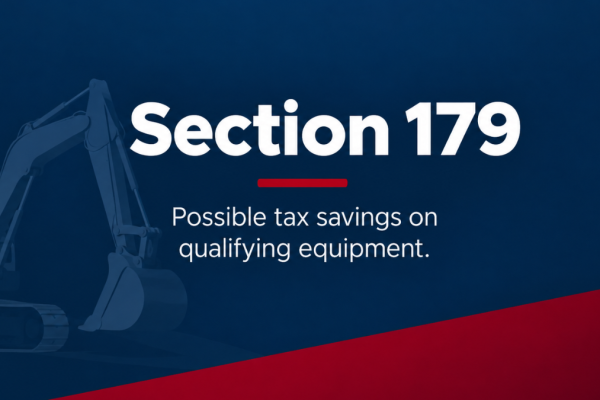
Tax treatment depends on the financing structure, equipment type, business use, and applicable tax laws. Certain qualifying equipment purchases may be eligible for deductions under Section 179. Businesses should consult a qualified tax professional regarding eligibility and deductions.
How do I calculate equipment loan payments?
Equipment loan payments depend on the financing amount, repayment term, financing cost, and payment structure. Use Centra Funding’s equipment financing calculator to estimate potential monthly payments.
Explore Equipment Loans and Financing With Centra Funding
As an experienced equipment financing company, Centra Funding has helped businesses acquire the equipment they need since 2008.
We provide business equipment financing solutions from $10,000 to $10 million for qualified businesses nationwide, supporting equipment purchases across construction, manufacturing, restaurants, healthcare, transportation, automotive, and other industries.
Our programs support qualifying new and used equipment, with financing options available for established businesses and eligible startups.
Whether you’re replacing outdated machinery, investing in equipment for a new business, or expanding existing operations, our team can help you explore financing options that fit your needs.
Ready to explore your equipment financing options?